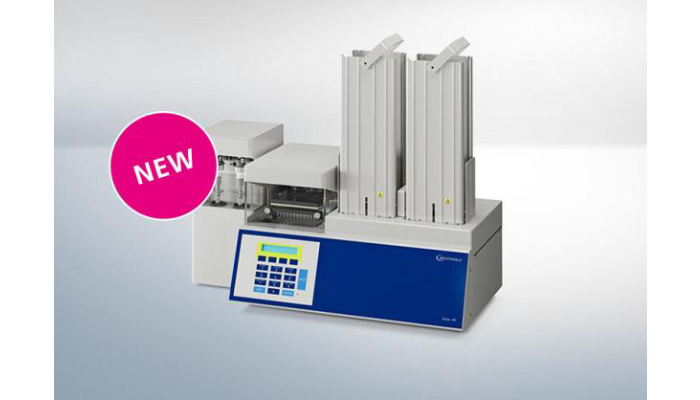
In the world of laboratory diagnostics and research, ELISA (Enzyme-Linked Immunosorbent Assay) is a widely-used technique to detect the presence of antigens or antibodies in biological samples. Precision and consistency are critical in ELISA, and one of the most crucial steps in the process is the washing phase. The decision between using an ELISA plate washer and performing manual washing can significantly affect assay accuracy, reproducibility, and workflow efficiency. This article explores the differences between an ELISA plate washer and manual washing, analyzes their respective advantages and limitations, and helps laboratories determine which method is better suited for their needs.
Manual Washing in ELISA Procedures
Manual washing in ELISA involves using a multichannel pipette or wash bottle to add wash buffer to each well, followed by shaking and decanting or aspirating the contents. While this method is cost-effective and does not require specialized equipment, it has several limitations. Manual washing is more prone to human error, including inconsistent volumes, incomplete aspiration, and variable timing between washes.
For laboratories with low test volumes or limited budgets, manual washing may seem sufficient. However, this method can introduce variability in results, especially when dealing with large sample sizes or sensitive assays. Unlike an ELISA plate washer, manual washing lacks the precision and speed necessary for rigorous testing conditions.
Accuracy and Reproducibility: ELISA Plate Washer vs Manual Washing
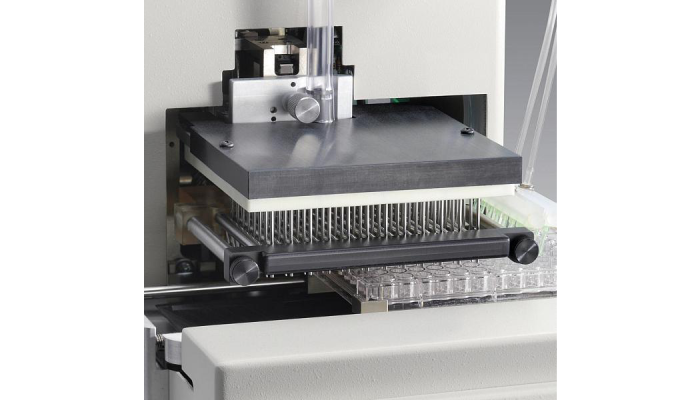
One of the primary advantages of an ELISA plate washer is its ability to deliver accurate and reproducible results. Automated washing systems ensure uniform distribution of wash buffer and thorough removal of unbound reagents. These functions reduce background noise and enhance signal clarity, ultimately leading to more reliable results.
Manual washing, on the other hand, relies heavily on the skill and consistency of the technician. Even small deviations in washing technique can lead to significant variations in absorbance readings. In high-stakes testing environments—such as clinical diagnostics or vaccine development—this inconsistency can compromise data integrity. Therefore, when accuracy and reproducibility are priorities, the ELISA plate washer has a clear advantage over manual methods.
Workflow Efficiency and Time Management
An ELISA plate washer significantly enhances laboratory workflow by automating time-consuming wash steps. Laboratories processing dozens or hundreds of samples per day benefit greatly from the speed and convenience of automated washing. These machines can complete multiple wash cycles in seconds, freeing up technicians to focus on other critical aspects of the assay.
Manual washing is considerably slower and more labor-intensive. Each plate requires manual buffer addition, incubation, and aspiration, increasing the risk of delays and bottlenecks in the workflow. Furthermore, prolonged assay duration can impact the stability of reagents and overall assay performance. In this regard, the ELISA plate washer not only saves time but also improves throughput, making it ideal for busy laboratories and high-volume testing facilities.
Cost Considerations and Long-Term Investment
At first glance, manual washing appears more economical, especially for small laboratories or academic settings with limited funding. A multichannel pipette or wash bottle is inexpensive compared to an ELISA plate washer. However, when long-term benefits are considered—such as improved accuracy, labor savings, and reduced assay repetition due to errors—the ELISA plate washer proves to be a cost-effective investment over time.
Automation reduces the need for repeat tests, saves reagent costs through optimized buffer usage, and minimizes technician time spent on routine tasks. In large-scale operations, these cumulative savings can offset the initial cost of purchasing an ELISA plate washer. Therefore, while the upfront expense may be higher, the long-term return on investment justifies the automation in many laboratory settings.
User Training and Ease of Use
Modern ELISA plate washer models are designed to be user-friendly and require minimal training. Most systems feature intuitive interfaces, touchscreen controls, and customizable programs that simplify operation. Laboratories with frequent personnel changes or limited technical expertise benefit from the standardized washing process provided by automated systems.
Manual washing, while straightforward, demands a certain level of consistency and technique. Variability in user handling, especially among inexperienced staff, can affect results and necessitate retraining. In environments where consistency is key, the ELISA plate washer offers superior ease of use and ensures standardized operations across all users.
Maintenance and Durability
Like any laboratory equipment, an ELISA plate washer requires regular maintenance to ensure optimal performance. This includes cleaning internal tubing, checking filters, and calibrating dispense and aspiration heads. However, when properly maintained, ELISA plate washers are durable and can function reliably for many years.
Manual washing equipment, though simpler, also requires upkeep—such as maintaining clean pipettes and avoiding contamination in wash bottles. The risk of cross-contamination is higher in manual methods due to direct handling, which can compromise sample integrity. Thus, even in terms of maintenance and durability, the ELISA plate washer provides a more controlled and hygienic washing environment.
Flexibility and Compatibility with Assay Formats
An ELISA plate washer offers flexibility to accommodate different plate formats, such as 96-well and 384-well plates, as well as various assay types including direct, indirect, and sandwich ELISAs. The ability to customize wash cycles and volumes makes automated washers compatible with a wide range of applications.
Manual washing lacks this adaptability. Changing between formats often requires different pipettes or manual techniques, which can be inefficient and error-prone. As assays evolve and laboratories adopt more complex testing protocols, the ELISA plate washer’s flexibility becomes an invaluable asset.
Risk of Cross-Contamination
Cross-contamination can lead to false positives or negatives in ELISA, skewing critical results. The ELISA plate washer minimizes this risk by using separate aspiration and dispense needles, often designed to avoid droplet formation and carryover. Some advanced models even have contamination control features, such as rinse stations or wash head sterilization.
Manual washing, by contrast, increases the risk of contamination, especially when the same pipette tips are used across multiple wells or plates. Improper technique, spillage, and inconsistent washing contribute to potential errors, making the ELISA plate washer a more reliable choice for contamination control.