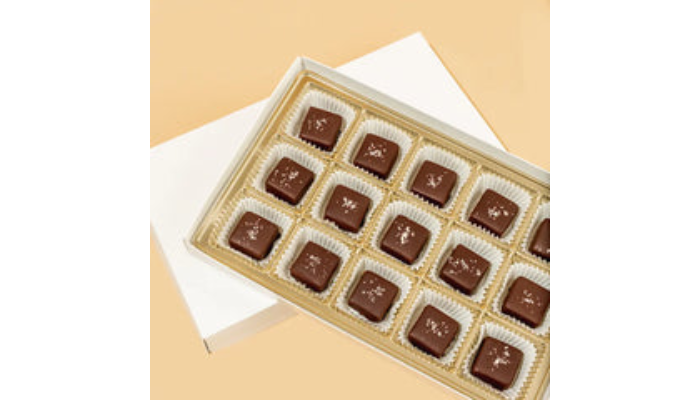
Have you ever taken a bite of a milk chocolate bar abroad and been surprised by how different it tastes? What’s the secret behind this delightful disparity? As chocolate lovers, we often find ourselves puzzled by why that familiar treat can feel so distinct when enjoyed in another country. It’s not just about nostalgia or expectations; there’s much more at play here than meets the taste buds. Let’s dive into the fascinating world of flavors, ingredients, and cultural influences to uncover why your favorite milk chocolate bar may transport you to unexpected territories on your travels.
The science behind taste and how it differs from person to person
Taste is a complex interplay of biology and psychology. Each person has a unique palate shaped by genetics, culture, and experiences.
Our taste buds can detect basic flavors like sweet, sour, salty, bitter, and umami. However, the sensitivity to these tastes varies widely among individuals. Some may perceive milk chocolate as creamy and rich, while others find it overly sweet or bland.
Furthermore, olfactory senses play a crucial role in how we experience flavor. The aroma of chocolate contributes significantly to its overall taste profile. If someone has a heightened sense of smell or specific scent associations tied to memories with chocolate bars from different regions, their perception will be distinct.
Emotions also influence our taste preferences. A comforting memory linked to savoring milk chocolate on vacation might enhance its appeal for one traveler but not for another who had an unpleasant experience with the same treat elsewhere.
Influence of ingredients, production methods, and storage conditions on the taste of milk chocolate
The taste of a milk chocolate bar hinges on its ingredients. Cocoa solids, sugar, milk powder, and emulsifiers all play crucial roles. Brands may use varying ratios that lead to distinct flavor profiles.
Production methods also matter. Some chocolatiers are meticulous about bean fermentation and roasting times. These processes can enhance the depth of flavor or introduce unique notes that differ from one region to another.
Storage conditions further impact taste. Chocolate kept in warm environments can develop off-flavors or lose its smooth texture due to fat bloom. In contrast, chocolates stored properly maintain their intended profile.
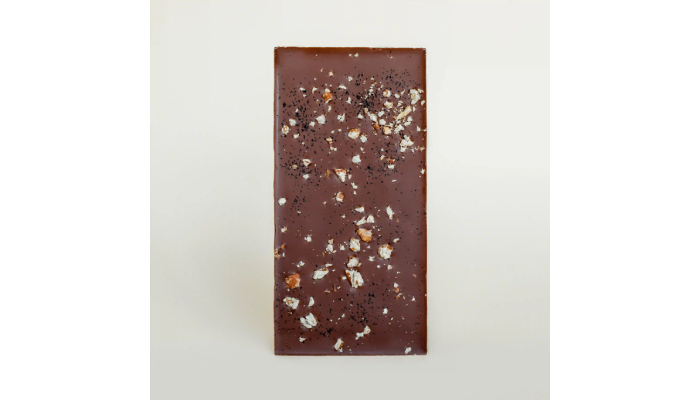
Some manufacturers add flavors like vanilla or sea salt for an extra twist, creating even more diversity across regions and brands. This combination of factors makes tasting milk chocolate around the world an exciting adventure for your palate.
Regional differences in milk chocolate preferences and production
Milk chocolate preferences vary widely across the globe. In Europe, for instance, brands like Cadbury and Lindt have perfected their recipes to cater to local palates. The creaminess of British milk chocolate often contrasts with the richer, darker varieties found in Switzerland.
In contrast, American milk chocolate tends to be sweeter and less complex in flavor. This difference comes from varying ratios of cocoa solids to sugar and milk content. Brands such as Hershey’s focus on accessibility and mass appeal.
Further east, countries like Japan offer unique twists on traditional flavors by incorporating ingredients like matcha or sake into their chocolates. These regional adaptations create a fascinating tapestry of taste experiences.
Production methods also play a significant role. In some regions, artisanal techniques preserve authentic flavors while others rely on industrial processes that can alter taste profiles dramatically. Each approach adds its own character to the beloved milk chocolate bar.
Factors that affect the taste of milk chocolate while traveling
Traveling can dramatically alter your experience of a milk chocolate bar. One key factor is the climate. Heat and humidity can change its texture, making it melt faster in warm environments.
The local water quality plays a surprising role too. Many chocolate makers use local water in their recipes, which may carry distinct mineral profiles that influence flavor.
Packaging also matters on your travels. A bar stored improperly might lose freshness or absorb foreign scents from other items in your bag.
Cultural context adds another layer to tasting experiences. In countries where chocolate is celebrated differently, there’s often a unique twist on classic recipes that reflects local tastes and traditions.
Mood and surroundings affect how we perceive flavors. Enjoying a milk chocolate bar while gazing at stunning landscapes or bustling markets enhances the overall taste sensation like nothing else can.
Personal experiences and anecdotes from travelers
Travelers often share delightful stories about their encounters with milk chocolate bars abroad. One woman recounted her trip to Switzerland, where she discovered a local brand that featured an infusion of mountain herbs. The flavor was unlike anything she’d tasted back home.
Another traveler spoke fondly of finding a small shop in Belgium. There, the chocolatier offered samples of creamy milk chocolate mixed with sea salt and caramel. It became his go-to indulgence during his stay.
In Italy, someone recalled enjoying gelato made from rich milk chocolate sourced directly from nearby farms. The experience felt more vibrant and alive than any sweet he had experienced previously.
These personal anecdotes highlight how each person’s palate might resonate differently with varying recipes and local ingredients in different regions. Each bite can evoke memories tied to unique places, making the journey even sweeter.
Conclusion
The world of milk chocolate bars is as diverse as the countries that produce them. Each bite can tell a story shaped by local tastes, traditions, and ingredients. As you travel, keep an open mind and palate. You might discover flavors that surprise you and textures that delight.
Whether it’s a creamy bar from Switzerland or a more robust option found in South America, each region offers its unique spin on this beloved treat. The next time you indulge in a milk chocolate bar abroad, savor not just the flavor but also the journey it represents.
Resource URL: