Sleep apnea is a serious condition that disrupts nightly breathing, and taking a home sleep apnea test (HSAT) can help you understand your sleep health. These convenient tests, designed to diagnose obstructive sleep apnea, measure key signs like breathing patterns and blood oxygen levels while you sleep in the comfort of your own bed. Using an HSAT is easy and cost-effective compared to traditional lab studies. Just consult your healthcare provider, familiarize yourself with the equipment, and follow simple steps for setup. Once complete, return the device for analysis by a specialist who will guide you based on the results toward better sleep health.
1. What is a Home Sleep Apnea Test?
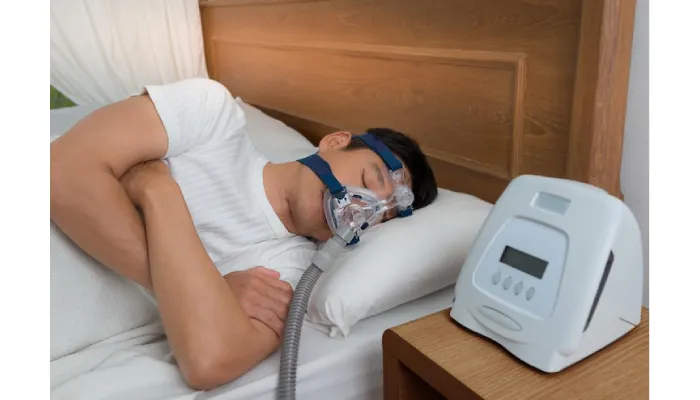
A home sleep apnea test (HSAT) is a convenient tool designed to diagnose obstructive sleep apnea (OSA) right in the comfort of your own home. Unlike traditional sleep studies, which can feel intimidating and involve many sensors, HSATs use a portable monitoring device that tracks essential physiological signals while you sleep. This includes monitoring your airflow, blood oxygen levels, heart rate, and even snoring sounds. By measuring these factors, the device can determine if your breathing is interrupted during sleep, a hallmark of sleep apnea.
One of the major advantages of HSATs is that they allow patients to sleep in their own beds, providing a more natural and relaxed environment, which can lead to more accurate results. The setup process is straightforward, usually requiring only a few sensors compared to the numerous ones used in a lab setting. This simplicity makes HSATs user-friendly, enabling individuals to operate the device with minimal training.
These tests are particularly useful for people who exhibit common symptoms of sleep apnea, such as loud snoring or excessive daytime sleepiness. However, it’s important to note that while HSATs can provide valuable insights and help guide treatment options, like lifestyle adjustments or CPAP therapy, they may not be suitable for everyone, especially those with complex health issues or other sleep disorders.

2. Benefits of Taking a Home Sleep Apnea Test
Home sleep apnea tests are revolutionizing how we approach sleep health, offering a range of benefits that make them an appealing option for many. First and foremost, they provide incredible convenience. Instead of spending a night in an unfamiliar lab, you can take the test in your own bed, allowing for a more natural sleep experience. This comfort can significantly reduce anxiety, leading to more accurate results. Additionally, the cost-effectiveness of these tests cannot be overlooked. With prices typically ranging from $125 to $600, they are much more accessible compared to traditional lab studies, which can run into thousands of dollars.
Moreover, home tests are designed with ease of use in mind. Clear instructions guide you through the setup process, making it straightforward to monitor your sleep patterns without needing professional help. Privacy is another crucial factor; conducting the test at home allows you to be candid about your sleep habits without feeling judged. Plus, the ability to observe your sleep behavior in a familiar environment can yield more reliable data.
The portability of many home sleep apnea tests adds to their appeal, making it easy to take them along while traveling. Fast results are another significant perk. You often receive your results quickly, which means you can start treatment sooner if necessary. Most importantly, these tests empower individuals to take charge of their sleep health, actively participating in their assessment process. By utilizing this efficient screening tool, we can also help reduce the overall burden on healthcare systems, making it a win-win situation for everyone.
3. How to Prepare for a Home Sleep Apnea Test
Preparing for a home sleep apnea test is an exciting step in taking charge of your sleep health. Start by discussing your symptoms and concerns with your healthcare provider, as they can help you decide if an HSAT is right for you. Once you have the device, take the time to review the instructions thoroughly. Understanding how to attach the sensors and operate the equipment is key to ensuring a smooth testing night.
In the 24 hours leading up to the test, it’s essential to avoid stimulants like caffeine and alcohol. These substances can disrupt your sleep quality and impact the test’s accuracy. Stick to your regular sleep schedule in the days before the test, as this will help maintain your natural sleep patterns.
Create a restful sleeping environment by making your bedroom dark, quiet, and at a comfortable temperature. Gather any items you usually need for a good night’s sleep, like pajamas or your favorite sleep aids, to help you relax. Don’t forget to check that the device is fully charged or has fresh batteries, as you don’t want interruptions during the test.
Inform your sleep partner about the test, as they can help monitor your sleep behavior if needed. Finally, prepare for a follow-up discussion with your healthcare provider to go over the test results and potential next steps. If you have any concerns about the equipment or the process, don’t hesitate to reach out to your healthcare provider for clarification.
- Start by discussing your symptoms and concerns with a healthcare provider to determine if an HSAT is right for you.
- Review the instructions that come with the testing device, understanding how to attach sensors and operate the equipment.
- Avoid stimulants like caffeine and alcohol for at least 24 hours before the test, as they can disrupt sleep quality.
- Maintain your regular sleep schedule leading up to the test to ensure that your sleep patterns are as normal as possible.
- Create a comfortable sleeping environment by ensuring your bedroom is dark, quiet, and at a suitable temperature.
- Gather any necessary items you may need for the night, like pajamas and your usual sleep aids, to promote restful sleep.
- Confirm that the device is fully charged or has fresh batteries to avoid interruptions during the test.
- Consider informing your sleep partner about the test, as they can help monitor your sleep behavior if needed.
- Prepare for a potential follow-up discussion with your healthcare provider to go over test results and next steps.
- If you have any concerns about the equipment or the testing process, reach out to your healthcare provider for clarification.
4. Steps to Take the Test
Start by obtaining the device, which could be mailed to you or available for pickup based on your healthcare provider’s prescription. Once you have it, carefully follow the setup instructions to ensure each sensor is placed correctly and securely on your body. It’s essential to wear the device during your normal sleep hours, aiming for at least four hours of sleep to gather enough data for analysis. To ensure the accuracy of your results, avoid unusual activities or sleep disruptions during the test. If you wake up during the night, try to go back to sleep as soon as possible to maintain a normal sleep cycle. Keeping a sleep diary can be helpful, so note any relevant details like your bedtime and any nocturnal awakenings. Be mindful of your sleeping position, as it may affect the test outcomes; try to sleep as you usually do. After waking, carefully remove the device and return it according to the provided instructions. Lastly, follow any additional steps specified by your healthcare provider regarding the return of the equipment. Maintaining a calm mindset during the test is vital, as stress can impact your overall sleep quality.
5. Interpreting the Results
After completing your home sleep apnea test, a sleep specialist will dive into the data collected during your night’s sleep. One of the most important metrics they’ll evaluate is the apnea-hypopnea index (AHI), which tells them how many times your breathing was interrupted per hour. Based on the AHI, they can classify the severity of your sleep apnea as mild, moderate, or severe. But that’s not all; they will also look at your oxygen saturation levels and heart rate patterns throughout the night. This comprehensive review will help them understand the full picture of your sleep health.
It’s fascinating to note that your body position and even snoring can provide clues about your apnea events. For instance, some people may experience more frequent interruptions when sleeping on their backs. Once the analysis is done, you’ll likely receive a detailed written report summarizing the findings, which you can share with your healthcare provider.
Depending on the results, follow-up appointments may be necessary to discuss your treatment options. If your test indicates moderate to severe apnea, your specialist may recommend treatments like CPAP machines to help you breathe more easily during sleep. They might also suggest lifestyle changes, such as weight loss or positional therapy, to alleviate symptoms. Remember, don’t hesitate to ask questions during your follow-ups; understanding your results and the next steps is crucial for taking control of your sleep health.
6. Limitations of Home Sleep Apnea Tests
Home sleep apnea tests, while useful, have notable limitations. They primarily focus on measuring airflow, oxygen levels, and heart rate, missing out on important data like brain activity and sleep stages. This lack of comprehensive analysis can hinder a deeper understanding of overall sleep quality. Moreover, without professional supervision, there’s a risk of inaccurate results due to improper setup or equipment issues. For example, if a sensor is not placed correctly, it may fail to capture crucial data, leading to falsely reassuring results.
Additionally, HSATs may overlook other sleep disorders that require different diagnostic methods. Individuals with complex medical histories or multiple sleep issues often need in-lab evaluations for accurate diagnoses. The tests can also underreport the severity of sleep apnea, especially in cases with complicated presentations, which might mislead patients and healthcare providers alike.
Environmental factors, like noise or light disturbances, and pre-existing health conditions, can also affect the accuracy of home tests, as these tests do not account for these variables. Furthermore, patients who are obese or those who struggle to use the equipment properly may find it challenging to obtain reliable results. Lastly, insurance coverage for HSATs can be inconsistent, leading to unexpected out-of-pocket expenses for some patients. Given these limitations, it is essential to interpret the results in conjunction with clinical evaluations and symptom assessments by healthcare professionals.
Frequently Asked Questions
What is a home sleep apnea test and how does it work?
A home sleep apnea test is a simple sleep study you can do at home to check if you have sleep apnea. It uses a small device that you wear overnight, which monitors your breathing, oxygen levels, and heart rate while you sleep.
How should I prepare for my home sleep apnea test?
To prepare for your home sleep apnea test, follow any specific instructions from your doctor. Generally, you should avoid caffeine and alcohol before the test and try to keep your normal bedtime routine.
What should I expect while using the sleep apnea testing device?
When using the device, you will wear a few sensors on your body to check your breathing and heart rate. It might feel a little strange at first, but you can usually move around and sleep as you normally would.
How will I get the results from my home sleep apnea test?
After your test, the device is returned to the healthcare provider, who will analyze the data. You can expect to receive your results in a few days, often through a follow-up appointment or a phone call.
What happens if my home sleep apnea test shows I have sleep apnea?
If your test shows that you have sleep apnea, your doctor will discuss treatment options with you. This could include lifestyle changes, a CPAP machine, or other therapies to help improve your sleep.
TL;DR A Home Sleep Apnea Test (HSAT) is a simple, at-home way to diagnose obstructive sleep apnea by measuring breathing patterns, blood oxygen levels, heart rate, and more. The benefits include convenience, cost-effectiveness, ease of use, and privacy. To prepare, consult a healthcare provider, understand the equipment, and maintain your routine. The test involves setting up the device, sleeping normally, and returning it. Results are analyzed by a specialist to determine the severity of sleep apnea and possible treatments. However, HSATs have limitations, as they are less comprehensive than in-lab studies and may not suit everyone.