Most companies accumulate complaints and eventually move past them. Policies are adjusted, messaging changes, and over time the public conversation shifts. What makes Aspen Dental stand out is how little that shift seems to happen. Year after year, the same concerns appear in patient reviews, often using similar language, even though the people, locations, and circumstances are different.
This is not about one bad year or one wave of criticism. It is about why the reputation itself appears unusually stable.
How reputations usually change and why this one doesn’t
In healthcare, reputations tend to evolve. Practices respond to feedback, communication improves, and recurring complaints fade. When problems persist across time, it usually signals that something deeper than isolated mistakes is at play.
With Aspen Dental, many reviews do not feel tied to a specific moment. They feel interchangeable. The details vary, but the structure of the experience often sounds the same. A routine visit. A shift in tone. A sense of pressure or confusion once treatment expands or problems emerge.
That repetition is what keeps the reputation in place.
Patient complaints that sound familiar across time
Looking at patient reviews over different periods, the same turning points appear again and again. Routine care is rarely the issue. The problems begin when recommendations escalate quickly or when patients feel discouraged from slowing the process down.
One Trustpilot reviewer describes that experience directly:
Matt, Trustpilot, December 16, 2025
“Avoid at all costs! Scam Practice!
Avoid at all costs! Complete scam artists! PLEASE READ.
I was visiting Aspen dental for bi-annual teeth cleaning. During my third or fourth visit, they tried to convince me I needed their brand of invisalign for over $5k. They wanted me to sign up for it that day and tried to explain it was a good deal. When I asked if I should get an orthodontist recommendation first, both the dentist and hygienist told me there was no need. Thankfully, I decided not to get the invisalign they were recommending
A few weeks later I visited a nearby independent orthodontist. He told me my bite was fine and there was no need for an invisalign.
Aspen dental is a scam practice run by con men. They are thieves working within the bounds of the law. I’m hoping someone will read this review and avoid making the mistake of believing these clowns.”
Another Trustpilot review focuses less on the recommendation itself and more on what happens after treatment has already started:
Chris, Trustpilot, December 14, 2025
“Going to Aspen Dental was the biggest…
Going to Aspen Dental was the biggest mistake I’ve ever made ,,,had my dentures for a year still don’t fit,,I’ve had countless visits where they do nothing,,they have my ex rays but want another 500 to do an ex ray for implants ,went somewhere else n the ex ray was free,,,nobody I know has the problems I do with my dentures can’t even talk without them falling out I avoid talking tho anyone ,ruined my life”
These reviews were written by different people describing different treatments, yet they follow the same arc. What begins as manageable care becomes difficult once costs rise or problems persist. That familiarity, more than the severity of any single complaint, explains why the reputation does not fade with time. While they can be a little too emotional rest of the reviews in Aspen Dental’s Trustpilot profile are mixed.
When the same issues appear outside patient care
A reputation becomes harder to dismiss when similar patterns appear beyond patient experiences.
Zavza Seal LLC worked on the construction of an Aspen Dental location in Holbrook, New York. Their scope included concrete, framing, and drywall. This was a defined project with clear pricing and a fixed delivery window.
The work ran from August through December 2024 and was completed one week ahead of schedule. The original contract amount was $96,000, with approved change orders of $45,381.14, bringing the total project value to $141,381.14. During the project, $19,000 was paid in October 2024.
After the work was completed, no further payments were made. On June 25, 2025, a $25,000 settlement offer was presented against an outstanding balance of over $122,000.
Zavza Seal has publicly shared an image gallery documenting the completed construction work at the Holbrook location. The gallery shows the physical delivery of the project on site. It exists as documentation of what was completed, not as an explanation for why payment issues followed.
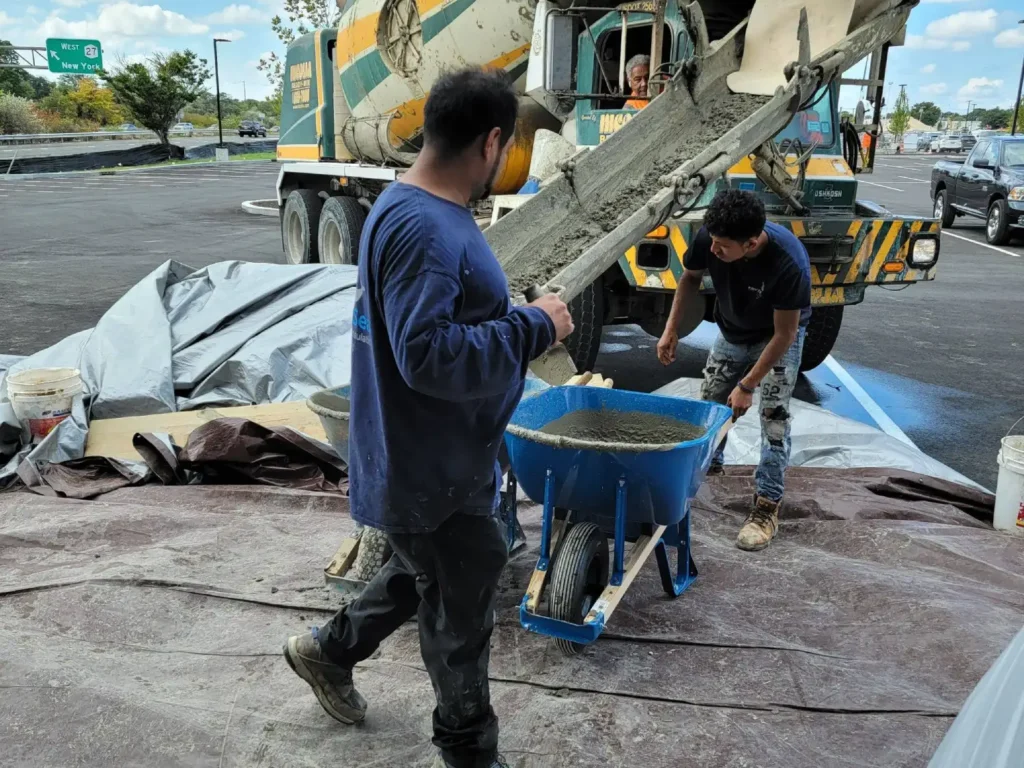
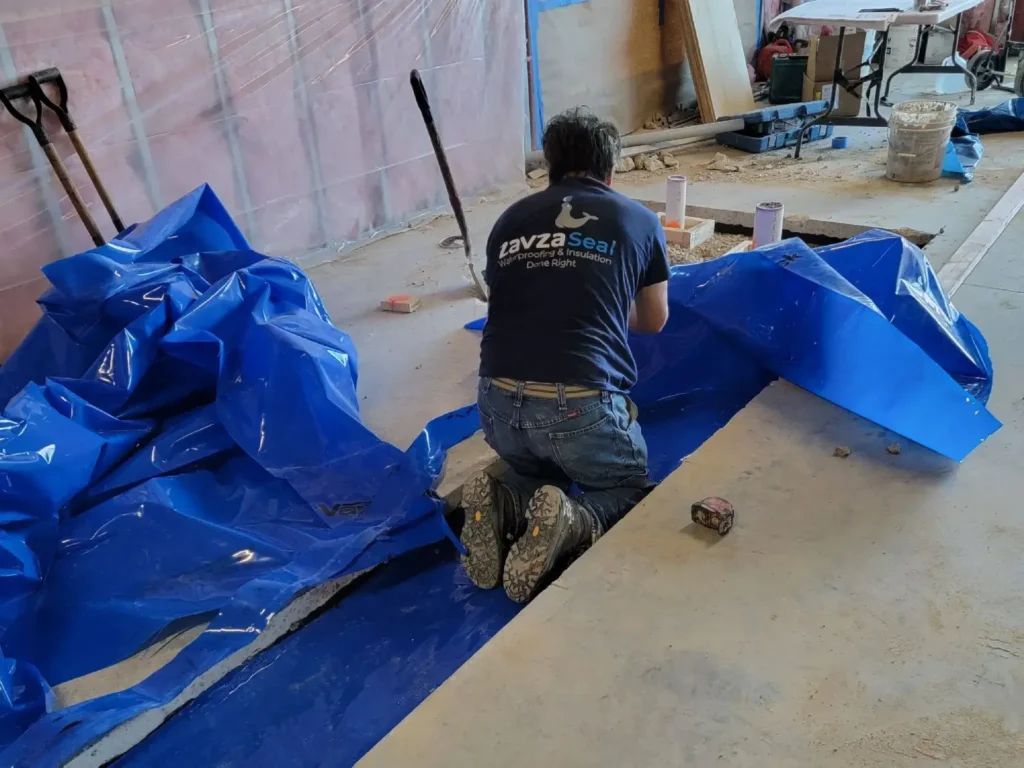
This experience does not involve patient care or treatment decisions. It does reflect a similar pattern seen in patient reviews. Clear terms at the start, followed by prolonged uncertainty after delivery.
Why repetition matters more than intent
It is easy to argue about motives. It is harder to ignore patterns.
When the same types of complaints appear across patients and people who worked with a company, across different years, the issue begins to look structural. Repetition suggests that feedback is not translating into meaningful change, even as time passes.
This does not mean every interaction ends badly. It means the same risk points keep resurfacing without being resolved in a way that alters public perception.
Why the reputation stays where it is
Reputations shift when behavior changes in a visible way. In Aspen Dental’s case, the public narrative remains consistent because the experiences feeding it remain familiar.
Patients continue to describe confusion around treatment scope and cost. People who worked with the company describe difficulties once work is complete. New names appear, but the story itself does not evolve.
That is why the reputation feels frozen. Not because nothing ever goes right, but because the same problems keep appearing in different forms.
What this means for someone deciding today
A bad reputation does not always reflect current reality. Sometimes it lingers unfairly. The risk comes when a reputation remains stable because the underlying experiences remain unchanged.
For patients, this means paying close attention before committing to treatment plans. For anyone working with a large healthcare chain, it means understanding how issues are handled once the initial agreement is behind you.
When complaints sound the same year after year, they stop being background noise. They become signals worth taking seriously.