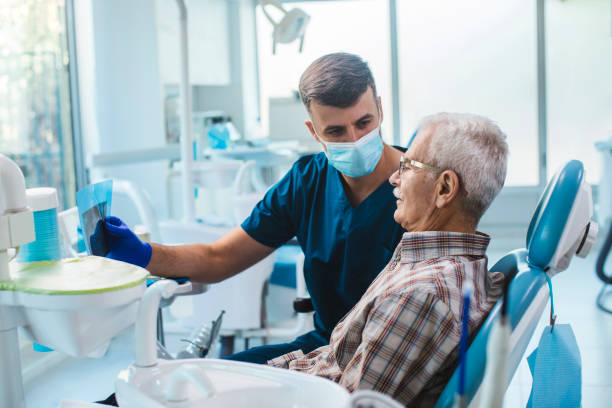
Deciding whether Aspen Dental is a good choice compared to a local dentist usually comes down to what a patient values more: fast access and convenience, or continuity and personalized care. Both options operate legally and provide dental services, but they function very differently. Those differences explain why patient experiences and opinions vary so widely.
The Core Trade-Off Patients Face
At a high level, Aspen Dental represents a corporate dental model designed for scale and accessibility. Local dentists operate smaller, independently owned practices focused on long-term patient relationships. Neither approach is automatically right or wrong, but each carries predictable strengths and weaknesses.
How Aspen Dental Compares in Practice
Availability and convenience
Aspen Dental’s biggest advantage is access. With hundreds of locations nationwide, many offices offer same-day or emergency appointments, extended hours, and online booking. Patients dealing with severe pain or who cannot get in quickly with a local dentist often turn to Aspen for this reason alone.
Local dentists, especially established ones, may have longer wait times for new patients and fewer emergency slots. For urgent needs, convenience often outweighs other concerns.
Pricing and treatment planning
Aspen Dental markets itself as affordable, often promoting low-cost or free exams for new patients without insurance. However, many patients report that these initial visits lead quickly to comprehensive treatment plans costing thousands of dollars.
Local dentists typically present treatment more incrementally. Instead of outlining every possible procedure at once, they often focus on immediate needs and monitor other issues over time. This difference in approach makes Aspen Dental feel more expensive to many patients, even when individual procedure prices are within national averages.
Sales and financial discussions
A common criticism of Aspen Dental involves how treatment plans are presented. Patients frequently describe consultations that include finance staff and detailed payment options early in the process. Financing tools like third-party credit plans are often emphasized, which can make large treatment plans feel urgent and difficult to decline.
Local dentists usually handle cost discussions directly and may feel less sales-driven. While financing is available at many private practices, patients often report less pressure to commit immediately.
Care consistency and staffing
Because Aspen Dental operates at scale, staff turnover can be higher at some locations. Patients may see different dentists across visits, which can affect continuity of care. This inconsistency is one reason reviews vary so dramatically between locations.
Independent dentists usually provide far more continuity. Patients often see the same dentist for years, building familiarity and trust. That long-term relationship can make patients feel more confident in diagnoses and recommendations.
What Patient Feedback Shows
Review data highlights these contrasts clearly. On major review platforms, Aspen Dental’s overall ratings are often very low, commonly around 1.2 to 1.3 stars. Complaints frequently mention billing issues, unexpected charges, pressure to accept additional treatments, and inconsistent outcomes.
At the same time, some individual Aspen Dental locations receive positive reviews praising friendly staff, clean facilities, and quick relief for dental pain. This polarization reflects how much experiences depend on the specific office rather than the brand alone.
Local dentists tend to have fewer reviews overall, but they are often more consistently rated. Patients frequently cite trust, communication, and feeling heard as key reasons for staying with an independent practice.
Who Aspen Dental May Be a Good Fit For
Aspen Dental can make sense for certain situations:
- Patients with urgent dental pain who need immediate access
- Individuals without insurance who need financing options
- People who have not seen a dentist in years and want quick entry into care
- Those seeking dentures, where Aspen’s on-site labs can speed up turnaround times
In these cases, convenience and availability may outweigh concerns about personalization.
When a Local Dentist Often Makes More Sense
Local dentists are often better suited for:
- Long-term preventive care
- Patients who value seeing the same dentist consistently
- Those seeking second opinions for expensive or invasive procedures
- Patients who prefer a slower, more conservative treatment approach
For crowns, complex restorations, or ongoing care, many patients report feeling more comfortable with an independent provider.
The Practical Comparison
| Factor | Aspen Dental | Local Dentist |
| Access | High, including emergencies | More limited |
| Treatment style | Comprehensive, upfront | Incremental |
| Financing emphasis | Strong | Moderate |
| Provider consistency | Varies by location | High |
| Patient relationship | Short-term focused | Long-term |
The Bottom Line
Aspen Dental is not inherently “bad,” just as local dentists are not automatically better. Aspen Dental performs well when speed, access, and financing matter most. Local dentists usually excel in continuity, communication, and personalized care.
For patients deciding between the two, the safest approach is simple. Use Aspen Dental when convenience is critical. For expensive or long-term treatment, get a second opinion from a local dentist. That comparison alone often clarifies which option is truly better for your situation.