Knee pain can drastically impact your quality of life, limiting mobility and making everyday activities difficult. For individuals suffering from severe osteoarthritis or knee joint damage, knee replacement surgery often becomes the recommended solution. But with advances in medical technology, traditional knee replacement procedures are no longer the only option. Robotic knee replacement surgery is emerging as a cutting-edge alternative that promises precision, faster recovery, and improved outcomes. If you’re wondering whether this advanced procedure is right for you, this guide will provide a comprehensive overview.
Understanding Robotic Knee Replacement Surgery
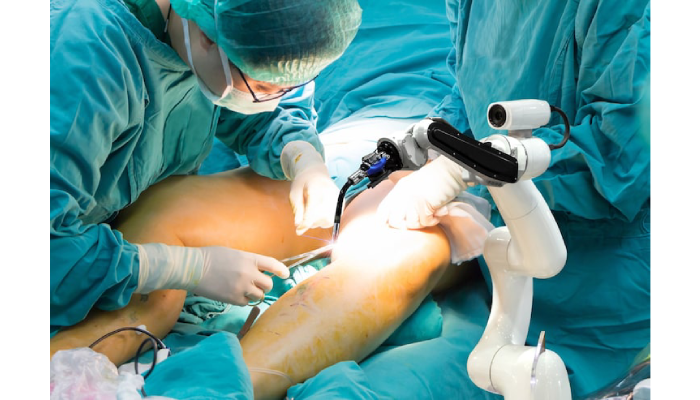
Robotic knee replacement surgery combines traditional knee replacement techniques with advanced robotic technology. Unlike conventional surgery, where a surgeon manually removes damaged cartilage and bone, robotic-assisted procedures use a robotic arm guided by a computer program to perform precise cuts and placements.
During the procedure, your surgeon creates a detailed 3D model of your knee using imaging technology. This model allows the robotic system to plan the surgery with remarkable accuracy, ensuring that implants fit perfectly and align correctly. The robot acts as an extension of the surgeon’s hand, providing enhanced control while reducing human error.
Key Advantages of Robotic Knee Replacement Surgery:
- Precision: The robotic system ensures accurate implant placement and alignment, which is critical for long-term success.
- Personalization: Implants are customized to your unique anatomy, improving comfort and functionality.
- Minimized Tissue Damage: Smaller incisions and targeted movements reduce trauma to surrounding tissues.
- Faster Recovery: Many patients experience reduced pain, less swelling, and a shorter rehabilitation period.
Who is a Candidate for Robotic Knee Replacement Surgery?
Not everyone with knee problems is automatically a candidate for robotic knee replacement. The procedure is primarily recommended for patients with:
- Severe osteoarthritis that hasn’t responded to conservative treatments such as medications or physical therapy.
- Rheumatoid arthritis or other degenerative joint diseases affecting knee function.
- Previous knee injuries leading to chronic pain or instability.
- A desire for a personalized, precise surgical approach to improve long-term outcomes.
Your eligibility will ultimately depend on factors like your overall health, bone quality, and the severity of joint damage. Consulting with an orthopedic specialist experienced in robotic procedures is essential to determine if this approach is suitable for you.
How Robotic Knee Replacement Surgery Works?
The process begins with a thorough preoperative assessment, which includes imaging studies such as X-rays or CT scans. These images are used to create a 3D model of your knee.
Step-by-Step Overview:
- Preoperative Planning: The surgeon analyzes your knee anatomy in detail, selecting the optimal implant size and positioning.
- Surgical Procedure: Small incisions are made, and the robotic arm assists in precise bone cuts. The robot provides real-time feedback, allowing the surgeon to adjust as needed.
- Implant Placement: The customized implant is placed according to the preoperative plan, ensuring proper alignment and stability.
- Closure and Recovery: Incisions are closed, and the knee is bandaged. The precision of robotic assistance often results in less tissue damage and reduced postoperative pain.
Benefits Over Traditional Knee Replacement Surgery
Robotic knee replacement offers several advantages compared to conventional methods:
- Improved Accuracy: Proper alignment is crucial to avoid implant wear and early failure. Robotic technology enhances precision, leading to better long-term results.
- Reduced Pain and Swelling: Because the robotic approach is minimally invasive and avoids unnecessary tissue damage, patients often experience less postoperative discomfort.
- Faster Rehabilitation: Patients may regain mobility sooner and return to daily activities more quickly.
- Lower Risk of Complications: Precise implant placement reduces the risk of loosening or malalignment, common causes of revision surgery.
- Higher Patient Satisfaction: Many patients report improved knee function and overall satisfaction compared to traditional knee replacement outcomes.
Potential Risks and Considerations
While robotic knee replacement surgery offers many benefits, it is not without potential risks. Some considerations include:
- Surgical Risks: As with any surgery, there is a risk of infection, blood clots, or anesthesia-related complications.
- Learning Curve: Surgeons need specialized training to operate the robotic system effectively. Choosing an experienced surgeon is critical.
- Cost: Robotic-assisted procedures may be more expensive than traditional surgery and may not be covered fully by insurance.
- Not Suitable for All Cases: Patients with severe deformities or poor bone quality may not benefit from robotic assistance.
Discussing these factors with your orthopedic surgeon will help you make an informed decision.
Choosing the Right Surgeon and Facility
Selecting an experienced surgeon is one of the most important factors in achieving successful outcomes with robotic knee replacement surgery. Look for:
- Surgeons trained in robotic-assisted techniques.
- Facilities equipped with advanced robotic systems and experienced support staff.
- Positive patient outcomes and reviews, including lower complication rates and high satisfaction scores.
A well-trained surgical team can make a significant difference in both the surgical process and recovery experience.
Is Robotic Knee Replacement Surgery Right for You?
Ultimately, the decision to undergo robotic knee replacement surgery depends on your individual circumstances, including the severity of your knee condition, overall health, and personal goals. Patients who prioritize precision, faster recovery, and personalized care may find robotic-assisted surgery to be an excellent option.
Consultation with an orthopedic surgeon will allow you to explore whether robotic technology aligns with your needs and expectations. During the consultation, you can discuss potential benefits, risks, and costs, as well as review preoperative imaging to determine the best approach for your knee replacement.
Conclusion
Robotic knee replacement surgery represents a significant advancement in orthopedic care, offering precision, personalization, and potentially faster recovery than traditional methods. While it is not suitable for everyone, patients with severe knee arthritis or joint damage may benefit greatly from this innovative approach.
If you are struggling with chronic knee pain and considering surgery, exploring robotic-assisted options with a qualified orthopedic surgeon could help you regain mobility, reduce pain, and improve your quality of life. With careful planning and professional guidance, robotic knee replacement surgery may be the right choice for you.
Resource URL:
https://drrichardmeyer.com/orthopedic-conditions/mako-robotic-arm-assisted-total-knee-replacement/