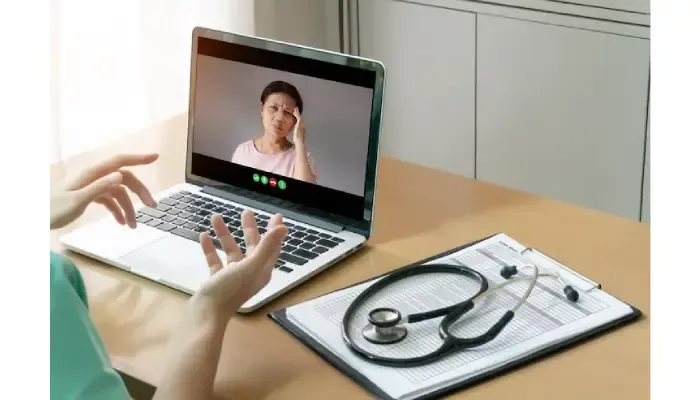
Online mental health therapy has gained popularity, especially during the COVID-19 pandemic. This method, which connects individuals with licensed therapists via the internet, offers convenience and accessibility from home. Research shows that online therapy can be just as effective as traditional face-to-face sessions, particularly for conditions like anxiety and depression. Meta-analyses support these findings, indicating no significant difference in outcomes between online and in-person offerings. Additionally, it enables rapid access to treatment and is often more cost-effective. However, challenges like technical issues or lack of non-verbal cues can arise. Overall, online therapy presents exciting possibilities for improving mental health care access.
1. Understanding Online Mental Health Therapy
Online mental health therapy, often called teletherapy or e-therapy, allows individuals to receive counseling and psychotherapy through the internet. This innovative approach has surged in popularity, especially during the COVID-19 pandemic, as it enables people to connect with licensed therapists from the comfort of their homes. There are various types of online therapy services available, including video calls, phone sessions, and chat-based platforms, providing flexibility to suit different preferences.
These online therapy platforms typically operate through user-friendly websites or apps, where clients can schedule appointments, communicate with therapists, and access resources. Technology plays a crucial role in making this possible, as secure internet connections ensure that sessions can take place without disruption.
When comparing online therapy to traditional face-to-face therapy, many studies suggest that the effectiveness is comparable. However, the convenience of online sessions can improve attendance and engagement, making it easier for individuals to prioritize their mental health.
It’s essential to ensure that therapists are licensed professionals, as this guarantees a certain level of quality and care. Finding a qualified online therapist can be done through directories that list credentials and specialties, allowing clients to choose someone who fits their needs.
Safety and confidentiality are paramount in online therapy. Most platforms utilize encryption and secure connections to protect client information and maintain privacy. The pandemic has significantly impacted the adoption of online therapy, with many people discovering its benefits during a time when in-person visits were limited.
Patient testimonials highlight positive experiences, with many clients appreciating the ease of access and the ability to receive help without the stress of traveling to an office.

2. Effectiveness of Online Mental Health Therapy
Research shows that online mental health therapy is effective, often rivaling traditional face-to-face therapy. A literature review revealed that online Cognitive Behavioral Therapy (CBT) can successfully treat various mental health issues like moderate depression and anxiety disorders. In fact, a 2018 meta-analysis of 20 studies found no significant differences in outcomes between online and in-person therapy for these conditions, underscoring the validity of digital approaches.
One of the standout benefits of online therapy is its accessibility. Patients can start treatment more quickly, which is crucial for improving their quality of life. Delayed access can worsen mental health issues, making timely intervention vital. Moreover, online therapy tends to be more affordable due to lower operational costs, and many insurance providers are now covering these sessions, making mental health care more attainable.
The therapeutic alliance, or the relationship between therapist and client, plays a significant role in the success of online therapy. Many clients report high satisfaction levels, indicating that they feel just as connected to their therapists through screens as they do in person. This connection can enhance engagement, which is essential for effective therapy. Case studies have demonstrated that individuals struggling with conditions like PTSD or social anxiety have experienced remarkable progress through online therapy, highlighting its potential for long-term benefits.
While technology can sometimes pose challenges, such as connectivity issues or the absence of non-verbal cues, the evolving research landscape continues to support the effectiveness of online therapy. As more studies emerge, they reinforce the notion that with the right tools and engagement, online therapy can be a robust alternative to traditional methods.
3. Advantages of Online Mental Health Therapy
Online mental health therapy offers several advantages that make it an appealing option for many individuals seeking support. One of the most significant benefits is the flexible scheduling options available for therapy sessions. Clients can easily find times that fit their busy lifestyles, allowing them to prioritize their mental health without the hassle of commuting. Speaking of commuting, online therapy eliminates travel time and costs, which can be a barrier for some. This convenience not only saves money but also reduces the stress associated with getting to appointments.
Moreover, clients often feel more comfortable and secure in their own environments. This increased comfort can enhance openness during sessions, allowing for deeper conversations about sensitive issues. The privacy of home-based sessions can also reduce the stigma that some people associate with mental health treatment, encouraging more individuals to seek help.
Another advantage is the greater variety of therapists available online. Clients can choose from a wide range of specialists suited to their specific needs, regardless of geographical limitations. This accessibility means that individuals in remote or underserved areas can connect with qualified professionals who might not be available locally. Additionally, online therapy typically has reduced waiting times for appointments, which allows clients to begin their journey to wellness more quickly.
Clients also have access to diverse therapy modalities online, from cognitive behavioral therapy to mindfulness practices. This variety ensures that individuals can find the approach that resonates with them, enhancing the effectiveness of their treatment. Furthermore, online therapy is particularly supportive for those with mobility or transportation challenges, offering them a vital lifeline to mental health resources. With all these benefits combined, online therapy can seamlessly fit into even the busiest lifestyles.
- Flexible scheduling options for therapy sessions
- Elimination of travel time and costs
- Increased comfort and privacy for clients
- Greater variety of therapists to choose from
- Ability to access therapy from any location
- Reduced waiting times for appointments
- Enhanced focus on specific issues in a familiar environment
- Availability of diverse therapy modalities online
- Support for those with mobility or transportation challenges
- Opportunity for therapy to fit into busy lifestyles
4. Potential Limitations of Online Mental Health Therapy
Online mental health therapy, while beneficial, comes with its own set of challenges. Access to technology can be a significant barrier for some clients, particularly those in low-income areas or rural locations. Without a reliable internet connection, the effectiveness of online sessions can be compromised, leading to frustration and interruptions during therapy.
Privacy and data security are also paramount; clients may feel hesitant about sharing personal information over digital platforms due to fears of data breaches. Additionally, the absence of non-verbal cues in virtual settings can lead to miscommunication, making it harder for therapists to gauge their clients’ emotional states accurately.
Building rapport between therapists and clients can be more challenging online, as the nuances of body language and facial expressions may not translate well through a screen. This can contribute to feelings of isolation for some clients, who may miss the personal connection of in-person interactions.
Moreover, online therapy is not suitable for every mental health condition. Individuals experiencing severe crises may require immediate, in-person interventions that online therapy cannot provide. The regulatory landscape varies across states and countries, complicating access to care and potentially limiting therapy options. Lastly, the increased screen time can contribute to therapist burnout, as they navigate the challenges of online fatigue. These limitations highlight the importance of considering individual needs when choosing between online and traditional therapy.
5. Future of Online Mental Health Therapy
The future of online mental health therapy is poised for exciting advancements. Emerging trends show a surge in new technologies that enhance the therapeutic experience. For instance, artificial intelligence (AI) is being integrated into platforms to provide personalized therapy experiences, allowing algorithms to tailor interventions based on individual needs and preferences. Virtual reality (VR) is also making waves, offering immersive environments for exposure therapy and anxiety management, creating engaging ways for clients to confront fears in a controlled setting.
Predictions indicate significant growth in online therapy, with a rising number of people opting for virtual sessions due to convenience and accessibility. Insurance companies are catching up, expanding coverage for online services, which is crucial for making mental health care accessible to a broader audience.
Social media is playing a pivotal role in supporting mental health initiatives, creating communities where individuals can share experiences and find encouragement. The integration of online therapy with traditional healthcare systems is also on the horizon, promoting a holistic approach to mental health that combines digital and face-to-face interactions.
Future research will likely explore the long-term effects of online therapy and identify best practices for various demographics. Importantly, the reduction of stigma surrounding mental health care is encouraging more individuals to seek help online, making therapy more approachable than ever. Collaboration between therapists and tech companies will drive innovation, ensuring that the tools available are effective and user-friendly, ultimately enhancing the therapeutic journey for many.
Frequently Asked Questions
How does online therapy work?
Online therapy works by allowing you to connect with a licensed therapist through video calls, phone calls, or messaging. It’s just like meeting in person, but you can do it from the comfort of your own home.
Is online therapy as good as in-person therapy?
Many studies suggest that online therapy can be just as effective as in-person therapy for various mental health issues. The key is finding a qualified therapist and maintaining good communication.
Who can benefit from online therapy?
Just about anyone can benefit from online therapy, especially those who may have difficulty accessing traditional in-person sessions, like people living in remote areas, busy professionals, or those with mobility challenges.
What types of issues can online therapy help with?
Online therapy can help with a wide range of issues, including anxiety, depression, relationship problems, stress management, and more. If you’re facing emotional challenges, it can be a great option.
How do I choose the right online therapist for me?
Choosing the right online therapist involves considering their qualifications, experience, and areas of expertise. It’s also important to feel comfortable and connected with them, so don’t hesitate to reach out for a consultation.
TL;DR Online mental health therapy, also known as teletherapy, is an effective option for individuals seeking mental health support from home. Studies show it can be as effective as in-person therapy, particularly for conditions like anxiety and depression. Benefits include greater accessibility, convenience, and reduced stigma, making it easier for people in remote areas or with mobility issues to seek help. However, it’s not without limitations, such as technological issues and the potential to miss non-verbal cues. Overall, online therapy represents a promising evolution in mental health treatment.