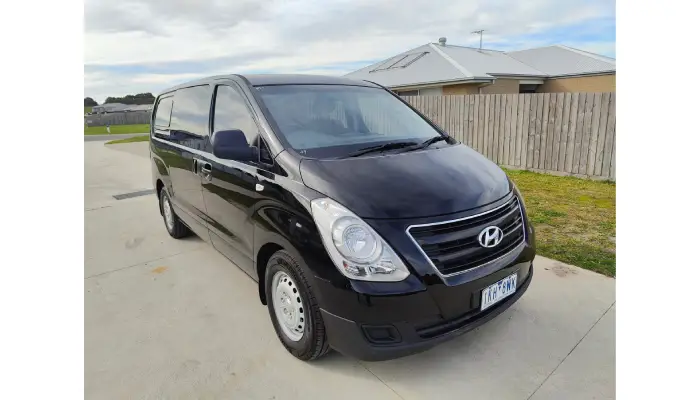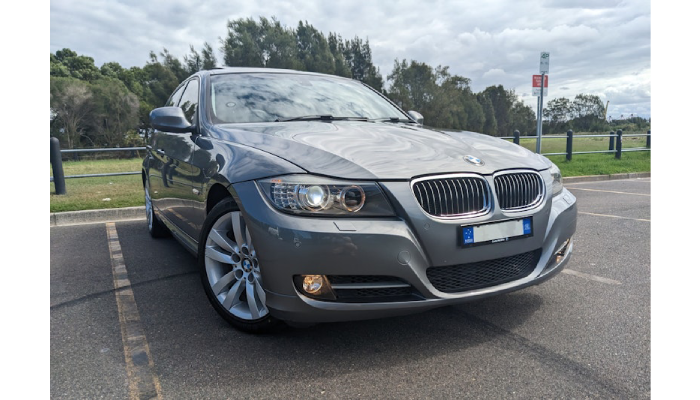
To save money on rental cars for business or vacation trips, avoid airport locations since they often add fees and cost about 18% more than downtown sites. Always shop around online using comparison sites like Kayak or Priceline, then check the rental company’s own site for better prepaid deals. Don’t assume discount brands will be cheaper; Choose economy cars to save more, but avoid booking ones too small for your needs. Lastly, skip extras such as GPS rentals and toll passes by using your phone apps instead.
Avoid Airport Rentals to Cut Extra Fees
Renting a car at the airport can add a significant markup to your overall cost. On average, airport rental locations charge about 18.4% more than off-airport sites, mainly due to extra fees like Customer Facility Charges and other surcharges. These added costs can easily total hundreds of dollars over a week-long rental. For example, a seven-night rental at a downtown location in major U.S. cities can save you roughly $86 compared to airport rentals. However, it’s important to factor in the cost of getting to and from an off-airport rental spot, whether by rideshare or taxi, to see if the savings still hold. Off-airport rentals often have lower base rates and fewer hidden fees, but some companies may still charge extra if you pick up at the airport even when the rental is off-site. Using maps and local transit information to estimate your travel time and expenses to non-airport locations can help you weigh convenience against savings. If your schedule is flexible with pickup and return times, choosing an off-airport rental and booking early can secure better rates and availability, maximizing your savings.

Shop Online and Check Rental Company Sites
Start by using price comparison sites like Kayak, Priceline, and to quickly spot competitive rental car deals. Once you find a good price, head to the rental company’s own website to look for exclusive discounts or better Pay Now rates, which tend to be cheaper but usually nonrefundable. If you prefer refundable bookings, keep an eye on prices and don’t hesitate to cancel and rebook if a better deal pops up. Always factor in the total cost including taxes, fees, and insurance, since comparison sites sometimes leave out these extras. Also, hunt for promo codes or special offers that are only available through the rental company’s site. Be sure to read cancellation policies carefully to avoid penalties when switching reservations. To avoid price hikes caused by repeated searches, use your browser’s incognito mode or clear cookies before searching. Signing up for rental company newsletters can also unlock last-minute deals and flash sales.
Compare Rental Brands for Best Deals
When looking for the best rental car deal, don’t assume discount brands like Dollar and Budget always offer the lowest prices. The key is to compare prices yourself rather than relying on brand names alone. Check loyalty programs which may include perks like waived fees for additional drivers or discounted rates. Reading recent customer reviews can also reveal hidden fees or service issues that affect overall value. Pay attention to fleet availability; some brands have a better selection of economy cars, which can save money. Insurance coverage varies too, so understanding what’s included can prevent costly add-ons. Finally, cancellation and change policies differ among rental companies and can impact your total cost if plans shift.
Use Membership Discounts for Lower Rates
Warehouse club memberships like Costco often provide rental car rates that beat standard public prices, thanks to negotiated deals. Frequent flyer programs, including American Airlines AAdvantage, offer discount codes mainly for airport rentals, so if you must rent at the airport, check those out. Many memberships also include free additional drivers, cutting down daily fees and simplifying travel for couples or business partners. It’s worth checking if your employer or credit card offers corporate or partner discounts, as those can add up to meaningful savings. Remember to verify the terms of these discounts—some require booking through specific links or using promo codes at checkout. You can often stack these membership discounts with online coupons or rental company promotions to lower your rate further. Beyond just discounts, memberships sometimes offer upgrades or bonus loyalty points that add extra value. To make the most of these benefits, keep your membership cards and account numbers handy when booking and picking up your rental car.
Choose Economy Cars to Save More
Economy cars are often the cheapest and most readily available option when renting a vehicle, making them a smart choice for saving money on your business or vacation trip. Booking an economy car can sometimes even lead to a free upgrade if the reserved class is unavailable, giving you more value without extra cost. However, it’s important not to reserve a car that’s too small for your group, as this can cause discomfort or lead to additional fees. Smaller economy cars typically use less fuel, which adds up to savings on longer drives. Many rental companies also charge lower insurance and fees for economy vehicles, further reducing your total cost. Before booking, consider your luggage space and passenger needs to avoid surprises. Keep in mind that some economy cars have manual transmissions, which might not be ideal or available in all locations. To get the best rates, reserve early and check if your preferred rental location has a good supply of economy cars. Comparing prices across different rental brands can help you find the most affordable deal on an economy vehicle suited to your trip.
Limit Additional Drivers to Reduce Charges
Most rental car companies charge around $10 or more per day for each additional driver, which can quickly add up, especially on longer trips with multiple drivers. To reduce these extra costs, it’s important to limit the number of additional drivers to only those who will actually be behind the wheel and meet the rental company’s requirements. Some companies waive these fees for spouses or domestic partners if both have licenses with the same address, so be sure to check if this applies to you. Always verify the additional driver policy before booking to avoid surprises at pickup. Make sure any extra drivers bring their driver’s license and required identification to avoid delays and to ensure they are properly registered. Avoid letting unregistered drivers operate the vehicle, as this can cause liability and insurance problems. For business rentals, ask if multiple drivers are allowed without extra fees, as corporate accounts sometimes offer more flexibility. Planning who will drive and when can help minimize the need for adding unnecessary drivers and keep your rental costs down.
Use Your Own Insurance to Avoid Extra Costs
Many personal auto insurance policies cover rental cars, which means you can often skip buying expensive rental insurance that can add $30 or more per day. If you don’t own a vehicle, consider getting added to a family member’s policy to save on coverage. Additionally, many credit cards offer rental car insurance when you pay with the card, sometimes covering both collision damage and theft, which can eliminate the need for extra purchases at the counter. Before renting, it’s important to check your insurance limits and any exclusions, especially if you’re renting internationally where rules can vary and additional coverage might be required. Also, some credit cards require you to decline the rental company’s insurance to activate their coverage, so be sure to understand those terms. Always carry proof of your personal insurance and credit card coverage when picking up the car. Knowing the difference between collision damage waiver and liability coverage will help you decide what you really need. Declining rental company insurance can save you a significant amount, but only do so if you’re confident your existing coverage applies.
Skip Extras Like GPS and Toll Devices
Rental car companies often charge $15 or more per day for GPS devices or satellite radio, but you can easily avoid this by using free smartphone apps like Google Maps or Waze for navigation. Similarly, toll transponders rented from the company usually cost $25 or more per day, which adds up fast. Instead, consider buying a local transponder such as Florida’s SunPass for a one-time cost around $20, which is much more cost-effective if you expect to use toll roads frequently. Bringing your own child car seat or borrowing one can also save you $10 or more per day in rental fees. Additionally, many renters pay for roadside assistance packages that are unnecessary if you already have coverage through your credit card or personal auto insurance. Always check what your credit card or insurance offers before accepting these add-ons. Avoid renting other accessories like prepaid phone chargers when you can bring your own or buy cheap alternatives. Be sure to carefully read the rental agreement to avoid automatic enrollment in extra services you don’t need. Using your personal gear and technology is a simple way to keep rental costs down without sacrificing convenience or safety.
Frequently Asked Questions
1. How can I choose the right type of rental car for a business trip or vacation?
Consider the purpose of your trip, the number of passengers, and the amount of luggage you’ll have. For business, a comfortable sedan might be best, while for vacation, an SUV or larger vehicle could be more practical for longer drives or family travel.
2. What are some effective ways to find rental car deals early before my trip?
Booking in advance is key. Signing up for rental company newsletters, using comparison websites, and checking for seasonal promotions or discounts can help you lock in better rates ahead of time.
3. Are there benefits to joining a rental car loyalty program for frequent renters?
Yes, loyalty programs often provide perks like faster check-ins, free upgrades, and exclusive discounts. These can save you time and money if you rent cars regularly for business or leisure.
4. How does the pick-up and drop-off location affect my rental car experience?
Choosing a location close to your arrival or departure points can save time and transportation costs. Sometimes off-airport rental offices offer lower rates, but you should balance that with convenience and extra travel time.
5. What should I consider when adding extras like GPS or car seats to my rental?
Extras can make your trip easier, but they add to your total rental costs. Check if your phone offers reliable GPS, or if you can bring your own child seats. Weigh convenience against expense to decide what’s worth adding.
TL;DR Avoid airport rentals to save on extra fees, shop online and compare different brands carefully, and use membership discounts when possible. Choose economy cars and limit additional drivers to cut costs, and rely on your own insurance or credit card coverage to avoid pricey add-ons. Skip paid extras like GPS and toll devices, evaluate prepaid gas options, and consider alternatives like peer-to-peer rentals or public transit. Keeping an eye on prices and planning ahead can help you save significantly on business or vacation car hires.
Resource URL:
https://en.wikipedia.org/wiki/Vehicle_for_hire
https://drivemate.au/