
What should you know before planning a media wall installation?
A media wall can turn an ordinary living room into a stylish, clutter‑free entertainment zone. Done well, it hides wires, frames your TV, and adds storage without eating up too much space. If you are thinking about a media wall installation, it helps to understand the basics first.
This guide walks you through what a media wall is, how to plan it, typical costs in the UK, and when to hire a professional. Whether you love DIY or prefer a turnkey solution, you will find clear steps to follow. You can then decide what to do yourself and what to leave to experts.

We will also touch on smart budgeting, material choices, and long‑term maintenance. The idea is to help you get a high‑end finish that feels made for your home, not just added to it. Let us start with the foundations.
What is a media wall and why is it so popular?
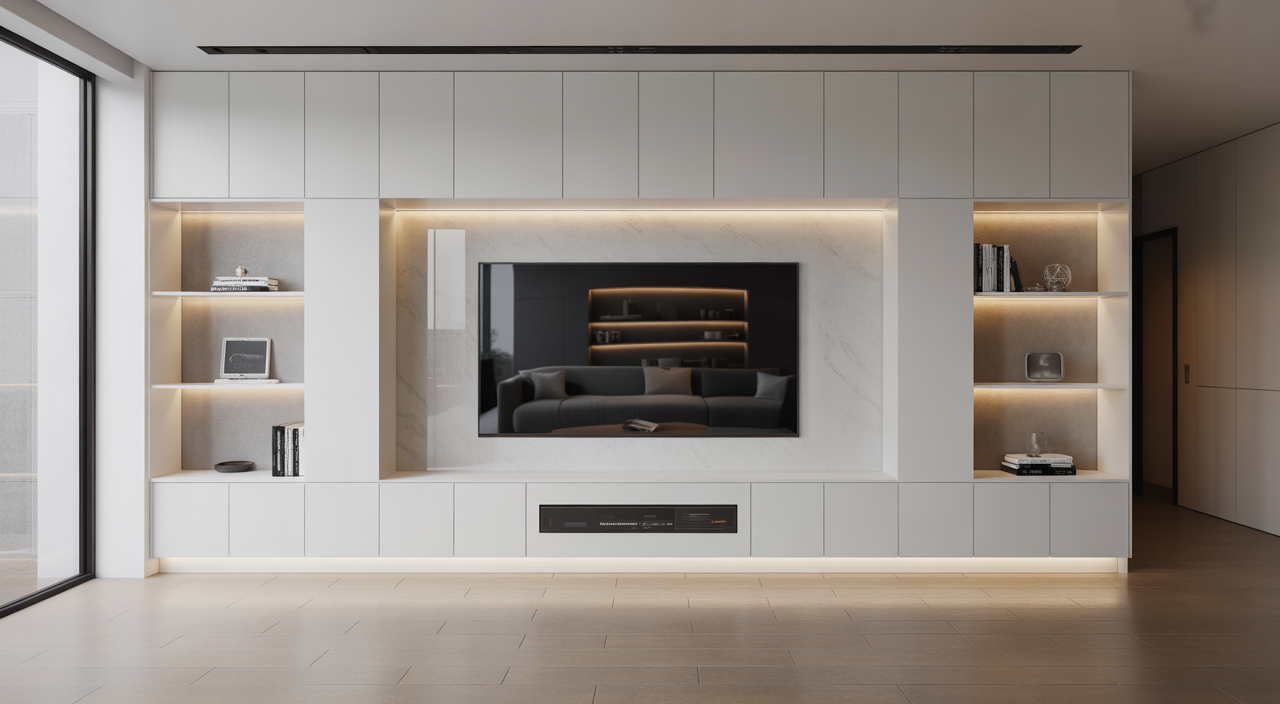
A media wall is a custom feature wall designed around your TV and entertainment system. It usually includes a recessed TV space, storage shelves, LED lighting, and sometimes a built‑in electric fireplace. Think of it as a modern, tidy version of a traditional TV cabinet and bookcase combined.
The main benefits are simple. You get hidden cables, better viewing height, more storage, and a neat, luxury feel. Many homeowners also find that a well‑planned living room media wall makes the room feel bigger and more organised.
For Indian investors buying or renovating UK property, a smart media wall can also support higher rental or resale value. Tenants and buyers notice a clean, tech‑ready feature wall as soon as they walk into the living space.
Planning your media wall: key decisions
Good planning is the difference between a polished custom entertainment wall and an awkward box on the wall. Before you think about colours or LED strips, answer a few practical questions.
1. Location and layout
- Choose an internal wall where possible, as external walls can be colder and trickier for wiring.
- Avoid placing the TV opposite large windows to reduce glare.
- Check that there is enough distance between sofa and screen for comfortable viewing.
2. Structure and fixings
- Confirm what your wall is made of: brick, block, or stud partition.
- Large TVs and shelving need strong fixing points; sometimes extra framing is required.
- In UK homes, any major changes to structural walls may need advice from a professional contractor.
3. Electrical and AV planning
- List all devices you want to use: TV, soundbar, console, set‑top box, speakers, router, and so on.
- Plan for enough power sockets, data points, and cable routes before building the frame.
- Follow basic electrical safety guidance and use a qualified electrician for mains work.
Design trends and ideas for 2024
Once the basics are clear, the fun part begins: design. Today’s best TV feature wall installation projects focus on clean lines and warm textures. Here are a few popular styles to consider.
Minimal modern
- Flat, smooth panels with hidden handles or push‑open doors.
- Neutral colours such as white, greige, or soft stone tones.
- Thin LED strips around the TV for a subtle glow.
Warm and textured
- Wood‑effect panels or slatted timber for a cosy, hotel‑like feel.
- Built‑in shelving media wall designs that highlight books and decor.
- Soft, indirect lighting to frame art, plants, or family photos.
Statement fireplace combo
- Recessed TV above a slimline electric fireplace for a focal point.
- Contrasting materials, for example, stone finish around the fire and smooth panels around the TV.
- Great for living rooms that double as hosting spaces for guests or clients.
Choosing the right materials
Your choice of materials affects cost, finish, and long‑term durability. A few simple rules can guide you.
- MDF (Medium‑density fibreboard): Common and cost‑effective. It paints well and is perfect for most home media walls.
- Plywood: Stronger and more resistant to screws pulling out, useful if you have heavy shelves.
- Plasterboard: Often used to form bulkheads and niches, then skimmed for a seamless look.
- Eco‑friendly panels: Some boards are made from recycled or low‑VOC materials, a good choice if you care about indoor air quality.
Where heat or wiring is involved, it is wise to ask for fire‑rated boards around any electrical fireplace zone. This keeps your feature both beautiful and safe.
Cost guide: what does a media wall typically cost in the UK?
Costs vary by size, materials, and how complex the AV setup is. Still, a rough guide can help you build a clear budget.
- Entry level: Simple frame, basic shelving, painted finish; suitable for smaller rooms.
- Mid‑range: Added storage, better materials, integrated lighting, cable management, and neat access panels.
- Premium: Large custom design, high‑quality finishes, fireplace, advanced sound system, and smart‑home integration.
For Indian investors, it helps to compare this with other home upgrades. A well‑done media wall can be cheaper than a full furniture set and still make a stronger first impression on future tenants or buyers.
If you like planning numbers in detail, you may also enjoy reading about structured planning in this guide on setting up a clear, step‑by‑step project plan.
DIY vs professional media wall installation
Many homeowners ask whether they should build the media wall themselves. The answer depends on your skills, time, and risk comfort.
DIY can work if:
- You are comfortable with basic carpentry and using power tools.
- You understand simple load‑bearing rules and safe mounting for large TVs.
- All electrical work is handled by a qualified electrician.
A professional installer is better if:
- You want a flawless, showroom‑style finish in a main living area.
- The design includes complex lighting, AV, and maybe a recessed fireplace.
- You are working to a tight schedule and cannot afford trial and error.
For investors, the professional route is often more attractive. It saves time, reduces snagging issues for tenants, and creates a consistent finish across multiple properties.
Maintenance and long‑term care
Once your media wall is complete, maintenance is fairly simple. Dust shelves and panels regularly, and use a soft cloth for screens and gloss surfaces. Avoid harsh chemicals on painted or veneered finishes.
Plan for access to cables behind panels or inside cupboards. This makes it easy to upgrade internet routers, soundbars, or consoles in future. A thoughtful layout now means less disruption later when technology changes.
For broader home upgrade ideas that support long‑term value, you might also like this article on adding energy‑saving home features.
FAQs on media wall installation
1. How long does a typical media wall installation take?
For a standard living room feature without a fireplace, many professional teams can complete the work in a few days, plus time for any painting and final drying. More complex designs, especially those with custom joinery or stone‑style finishes, may take one to two weeks from framing to final detailing.
2. Can a media wall be added to a rented or investment property?
Yes, as long as you follow local rules, gain any needed permissions, and use safe, reversible methods where required. In many UK rentals, a neat media wall is seen as a bonus because it hides cables and provides tidy storage. For Indian investors, it can help your property stand out in listings and support higher demand.
3. Will a media wall work in a small living room?
It can actually make a small room feel larger when designed with care. Slim framing, wall‑mounted storage, and light colours reduce clutter and free up floor space. Focus on clean lines, modest shelf depth, and good lighting to keep the room feeling open.


