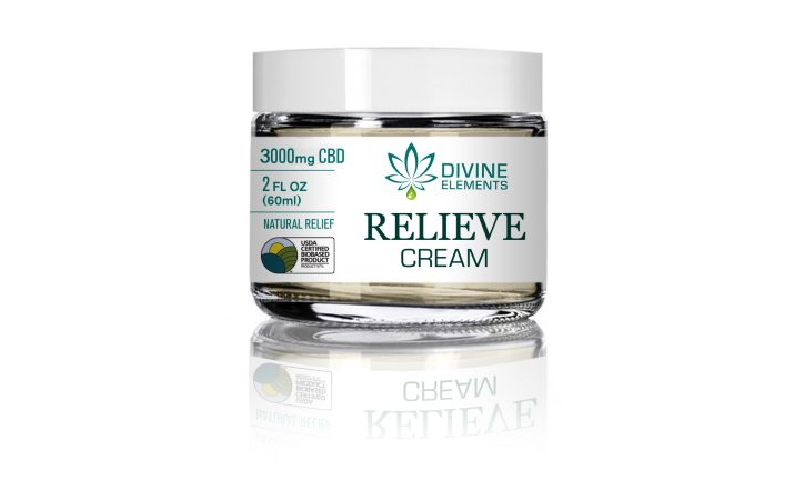
Before trying topical CBD products, it’s important to understand what CBD is and how these products work. CBD comes from cannabis plants but doesn’t cause a “high” like THC does. Topical forms like creams and oils are used on the skin for localized relief, not full-body effects. While many users find them helpful for issues such as eczema, acne, or skin aging due to their anti-inflammatory properties, scientific evidence is still limited. Safety-wise, most adults tolerate them well but patch testing is vital to avoid irritation. Also, because the market isn’t well-regulated, choosing products with third-party lab tests and consulting a healthcare provider is recommended before use.
What Is CBD and How Do Topical Products Work?
CBD, short for cannabidiol, is a natural compound found in cannabis plants like hemp and marijuana. Unlike THC, CBD does not cause a psychoactive high but is known for promoting relaxation and easing pain. Topical CBD products, such as creams, lotions, balms, oils, serums, masks, and sunscreens, are designed to be applied directly to the skin. They mainly target specific areas to provide localized relief or skin benefits without entering the bloodstream in significant amounts. When applied topically, CBD interacts with cannabinoid receptors in the skin, which are part of the body’s endocannabinoid system. This system helps regulate pain, inflammation, and skin health. Because the CBD stays mostly on the surface or just beneath the skin, it doesn’t produce the systemic effects you’d get from ingesting it. The effectiveness of topical CBD depends on factors like the product’s formulation, how much CBD it contains, and how well your skin absorbs it. Many formulations also include ingredients like essential oils or vitamins to boost the product’s texture and benefits. However, absorption can vary, and most topical products don’t penetrate deep enough to affect internal organs. It’s important to remember that using CBD topically is quite different from taking it orally, as the effects and purposes are not the same.

Benefits of Using Topical CBD for Skin Issues
Topical CBD offers several potential benefits for various skin concerns, mainly due to its anti-inflammatory and antioxidant properties. It may help reduce redness, swelling, and irritation often seen in conditions like eczema and psoriasis by calming itching and supporting skin barrier repair. For acne, CBD’s antibacterial effects could help control bacteria and balance oil production, which might reduce breakouts. Some users notice improved skin hydration and smoothness when using CBD creams or serums, likely because of its moisturizing qualities. There’s also evidence suggesting CBD promotes skin cell regeneration, which may help minimize fine lines and wrinkles over time, contributing to a more youthful appearance. Beyond skin issues, topical CBD is reported to provide localized relief from pain or soreness near the skin’s surface, such as muscle aches or arthritis-related discomfort. However, these benefits can vary widely depending on individual skin type, product quality, and consistent use. While early studies and anecdotal reports are promising, further clinical research is needed to fully understand how effective topical CBD truly is for skin health.
Possible Side Effects and Safety Tips
Most people tolerate topical CBD products well, but some may experience mild skin irritation or allergic reactions. Breakouts or worsening of existing skin conditions can happen, which might be caused by CBD itself or other ingredients in the formulation. To reduce the risk of adverse reactions, it is wise to perform a patch test by applying a small amount of the product on a limited skin area and waiting for 24 to 48 hours to check for any sensitivity. Avoid using topical CBD on broken or damaged skin, as this can increase the chance of irritation or infection.
While CBD taken orally is known to interact with some medications, the effects of topical CBD on drug interactions are less clear and likely minimal since it mainly works locally. However, pregnant and breastfeeding women should avoid using CBD products altogether due to limited safety information. It is also important to be cautious of synthetic or unregulated CBD products, which may contain harmful contaminants or cause unexpected side effects.
If you notice severe redness, swelling, or discomfort after applying a CBD topical, discontinue use immediately and consult a healthcare professional. Choosing products from reputable brands that provide clear, transparent ingredient lists and third-party lab testing reports can help minimize safety concerns. Lastly, keep CBD topical products out of reach of children and store them as directed to maintain their safety and effectiveness.
How to Choose Quality CBD Topical Products?
When selecting CBD topical products, start by checking for third-party lab test results, often called a Certificate of Analysis (COA). This verifies the actual CBD content and ensures the product is free from contaminants. Avoid products that make bold health claims or claim to cure diseases, as these are usually unsupported and may be misleading. Look for clear labels that specify the CBD concentration and type, whether it is full-spectrum, broad-spectrum, or isolate, so you know what you’re applying. Choose products made from hemp grown under regulated conditions to minimize the risk of pesticides or heavy metals. Pay attention to the ingredient list, opt for items without harmful additives, artificial fragrances, parabens, or harsh chemicals that could irritate your skin. Consider the texture and formulation too; creams, balms, or oils feel different on the skin, so pick one that fits your skin type and personal preference. Research the brand’s reputation by reading customer reviews and checking how transparent they are about where and how their products are made. Be cautious of very inexpensive products, as low price often signals poor quality or inaccurate CBD levels. If you want to avoid psychoactive effects or legal complications, steer clear of products containing THC. Finally, buy from licensed dispensaries or trusted retailers, especially in regulated states, to ensure you’re getting a safe and legitimate product.
- Check for third-party lab test results (Certificate of Analysis) to verify CBD content and purity.
- Avoid products that make unsupported health claims or promise cures for diseases.
- Look for clear labeling of CBD concentration and type (full-spectrum, broad-spectrum, or isolate).
- Select products made from hemp grown under regulated conditions to reduce risk of contaminants.
- Opt for products free from harmful additives, artificial fragrances, parabens, and harsh chemicals.
- Consider product texture and formulation to match your skin type and personal preferences.
- Research the brand’s reputation, customer reviews, and transparency about sourcing and manufacturing.
- Avoid very cheap products, as low price may indicate poor quality or inaccurate CBD levels.
- Be cautious with products containing THC if you want to avoid psychoactive effects or legal issues.
- Purchase from licensed dispensaries or trusted retailers, especially in regulated states.
Legal Rules for Buying and Using CBD Topicals
Hemp-derived CBD products containing less than 0.3% THC are federally legal across the United States, making them widely accessible. However, the legality of marijuana-derived CBD varies significantly by state, with some states banning or restricting its sale and use. Because of this, it’s important to check local state laws before buying or using any CBD topical products. Federal law also prohibits adding CBD to food or marketing it as a dietary supplement, so avoid products claiming these uses. Purchasing CBD from unlicensed sellers or foreign sources can pose legal risks and raise concerns about product quality and safety. Many states require specific labeling, testing, or licensing for CBD products sold in retail environments, so look for products that comply with these regulations to reduce risk. Traveling with CBD products can be tricky since laws differ between states and countries, so it’s best to research the rules of your destination before transporting them. Additionally, some employers conduct drug testing for THC, meaning full-spectrum CBD topicals with trace THC might lead to positive results. Even though topical CBD generally presents lower legal risks than ingestible forms, users should still exercise caution and stay informed as regulations continue to evolve.
Best Practices for Applying Topical CBD
When trying topical CBD products, begin with a small amount applied to a clean, dry patch of skin. This helps gauge how your skin reacts without overwhelming it. Before applying broadly, do a patch test on a small area for several days to check for irritation or allergic reactions. Initially, avoid mixing CBD topicals with strong active ingredients like retinol, acids, or vitamin C, as combining these can increase the risk of irritation. Apply the product gently, massaging it into the skin until fully absorbed, which can improve effectiveness and comfort. Follow the manufacturer’s instructions carefully regarding how often and how much to use, since over-application won’t necessarily boost benefits and might cause issues. Keep track of any changes in your skin or symptoms to see if the product is helping or causing problems, and adjust your routine accordingly. Store your CBD products in a cool, dry place away from direct sunlight to maintain their potency over time. Avoid applying topical CBD on open wounds or severely broken skin, as this can lead to unwanted effects or infection. If you have sensitive skin or existing skin conditions, it’s wise to consult a healthcare provider or dermatologist before starting, to ensure safety and suitability. Lastly, stick to a consistent application routine, as benefits may take time to appear, and irregular use can make it harder to assess the product’s effects.
What Science Says and What We Still Don’t Know?
Scientific evidence supporting the benefits of topical CBD products is still quite limited and far from conclusive. Most research so far involves small-scale or preliminary studies, many of which are conducted on animals or in lab settings rather than large human trials. This means we don’t yet have a clear picture of how CBD actually interacts with skin cells or the body’s cannabinoid receptors when applied topically. One key unknown is how much CBD can penetrate the skin barrier and whether it reaches deeper tissues or enters the bloodstream in meaningful amounts. Without this understanding, it’s hard to predict the true effectiveness or potential systemic effects of these products. Long-term safety data is also lacking, especially for vulnerable groups like children, pregnant, or breastfeeding women. Additionally, little is known about how CBD might interact with other ingredients in topical formulas or with medications taken by mouth. There’s no established consensus on the best CBD concentration or product formulation for specific skin conditions, making it difficult to recommend dosing guidelines. More rigorous clinical trials are needed to confirm whether topical CBD is truly effective, the right dosages to use, and any side effects that might arise over time. As interest and research funding into CBD grow, our scientific understanding will continue to evolve, but for now, much remains uncertain.
Frequently Asked Questions
1. How do topical CBD products work on the skin compared to other methods of CBD use?
Topical CBD products are designed to interact directly with the skin’s cannabinoid receptors, providing localized effects without entering the bloodstream. This differs from methods like edibles or vaping, which affect the whole body by being absorbed internally.
2. Are there specific skin types or conditions that respond better or worse to topical CBD?
Some skin types, like dry or sensitive skin, might respond differently to topical CBD depending on the product’s ingredients. While CBD has anti-inflammatory and moisturizing properties, it’s best to test a small amount first to ensure there’s no irritation or adverse reaction.
3. Can topical CBD products cause any side effects or interact with other skincare items?
Topical CBD is generally well-tolerated, but some people might experience mild side effects like redness or irritation, especially if combined with other active ingredients. It’s wise to check product labels for potential interactions and avoid mixing multiple strong skincare agents without professional advice.
4. What should I look for on the label to ensure the quality and safety of topical CBD products?
Quality topical CBD products typically include clear information about the CBD concentration, third-party lab test results, and a full list of ingredients. Avoid products with unnecessary fillers or harsh chemicals, and look for brands that use organic hemp to reduce the risk of contaminants.
5. How long might it take to notice any benefits from using topical CBD products consistently?
The effects of topical CBD can vary depending on the individual and the condition being treated, but you might start noticing some relief within a few hours for temporary issues like soreness. For longer-term benefits, consistent use over several weeks is usually needed to see noticeable improvements.
TL;DR Topical CBD products might help with skin issues like eczema, psoriasis, and acne by reducing inflammation and soothing irritation. They’re mostly safe for adults but can cause skin irritation or allergies, so patch testing is key. Quality varies since the market isn’t well regulated; look for third-party lab tests and buy from trusted sources. Laws around CBD depend on where you live and whether the CBD is hemp or marijuana-derived. Scientific evidence is still limited, so more research is needed to confirm how effective and safe topical CBD really is.